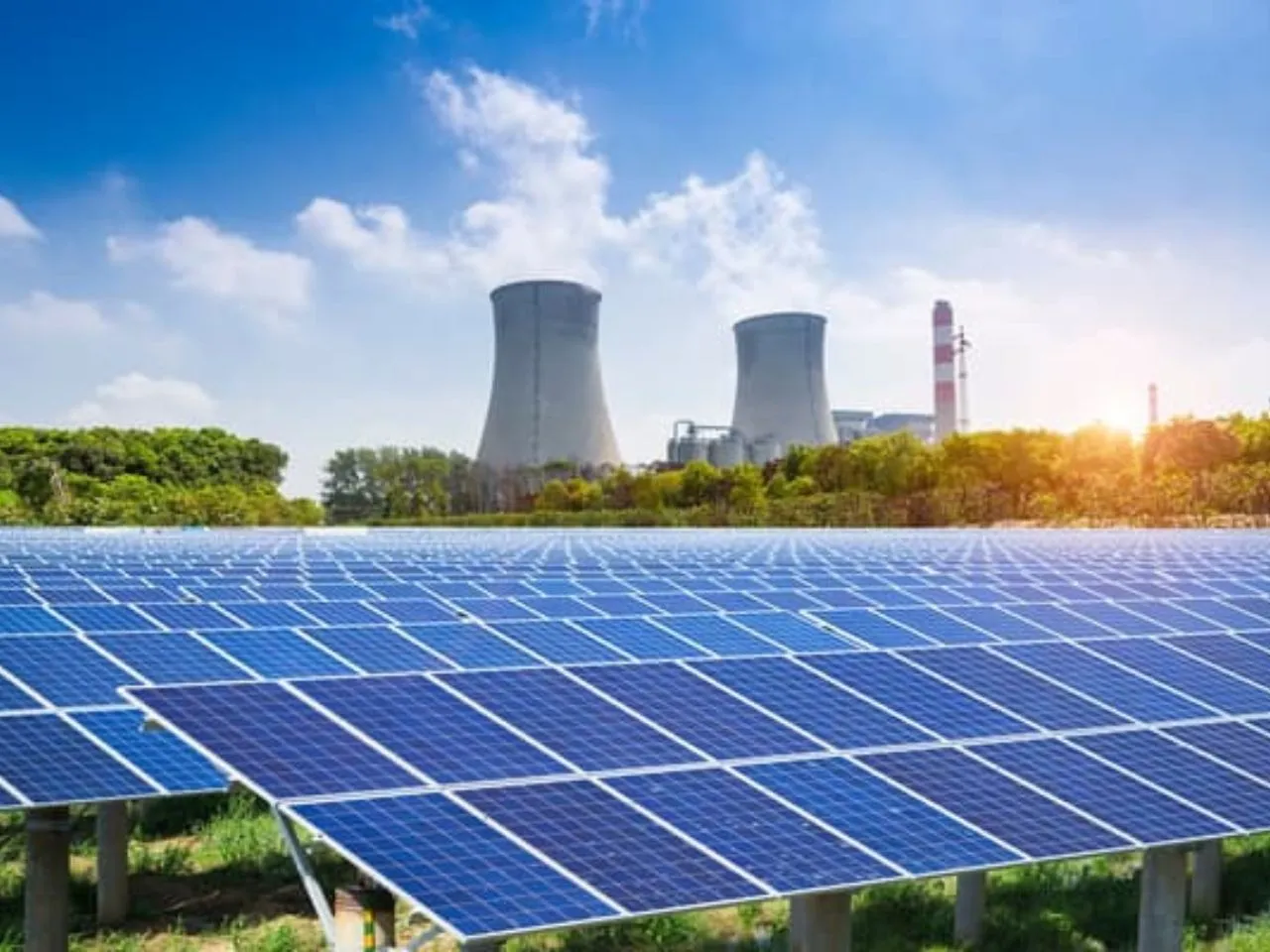
India’s coal-fired power generation declined by 3 percent in 2025, marking only the second full-year drop in coal generation in over five decades, according to a new analysis by the Centre for Research on Energy and Clean Air (CREA). The previous decline occurred during the Covid-19 pandemic, making the 2025 reduction a significant indicator of India’s accelerating clean energy transition.
The CREA report highlights that renewable energy sources increasingly met electricity demand peaks, reducing the need for additional coal-based power generation even as overall electricity demand continued to rise.
Key Drivers Behind the Decline
According to CREA’s findings, the reduction in coal- and gas-fired power generation in 2025 was driven by a combination of factors:
- 44 percent of the decline was attributed to record growth in clean electricity generation, led by solar and wind
- 36 percent resulted from lower cooling demand, driven by milder weather conditions
- 20 percent reflected a structural slowdown in power demand growth, compared to the 2019–2024 trend
The analysis underscores that renewables are no longer marginal contributors but are increasingly shaping daily and seasonal demand patterns.
No Headroom for Coal Growth Till 2030
The report notes that India’s target of achieving 500 GW of non-fossil fuel capacity effectively leaves no room for coal-based power generation to grow between now and 2030, even if electricity demand accelerates in the coming years.
CREA warns that continued investment in new coal capacity could lead to overcapacity, lower utilisation rates, and rising financial stress across the thermal power sector.
36 GW of Coal Projects Could Face Low Utilisation
India currently has around 36 GW of coal-fired power projects under construction. CREA cautions that if these projects are completed, coal plant utilisation could fall to historically low levels, resulting in:
- Increased financial pressure on generators
- Higher fixed-cost burdens on distribution companies
- Elevated electricity costs for consumers
As renewable power increasingly covers daytime and peak demand, the economic rationale for new coal capacity continues to weaken.
Renewables Setting New Records in 2025
India added 41 GW of renewable energy capacity in the first eleven months of 2025, already surpassing previous annual records. As a result, renewables now account for around 40 percent of India’s installed power capacity.
Electricity demand patterns also shifted significantly:
- Days with demand below 200 GW fell to 41 in 2025, compared to 145 days in 2023
- Days with demand between 210–230 GW rose to 219 in 2025, up from 72 days in 2023
- Demand exceeded 240 GW on only seven days, with no days above 250 GW
Despite rising average demand, extreme peaks remained limited and well within the operational capability of the existing generation fleet.
Renewables Replacing Coal During Peak Hours
CREA highlights that rising electricity demand is increasingly being met by renewable generation, particularly solar power during daytime hours. Even non-solar demand levels remain manageable when combined with hydro and other dispatchable sources.
This trend allows renewables to directly replace coal generation, especially during periods when coal plants would traditionally ramp up output.
The Real Challenge: Flexibility, Not Capacity
While capacity adequacy is no longer the primary concern, CREA points out that system flexibility has emerged as India’s key power sector challenge.
Most coal plants in India operate at minimum technical loads of around 55 percent, forcing them to run even when low-cost renewable electricity is available. Long-term coal power purchase agreements further lock utilities into higher-cost thermal generation.
This rigidity leads to avoidable curtailment of solar and wind power, undermining renewable efficiency and system economics.
What CREA Recommends
To enable higher renewable penetration and reduce reliance on coal, CREA recommends:
- Improving operational flexibility of the coal fleet
- Accelerating deployment of battery energy storage systems (BESS)
- Strengthening transmission and grid infrastructure
- Prioritising renewables over new coal capacity additions
The report concludes that structural reforms, rather than new generation capacity, will be critical for managing India’s evolving power system.
Why This Matters
India’s coal generation decline in 2025 signals a structural shift in the power sector, not a temporary anomaly. As renewables increasingly meet demand peaks, continued coal expansion risks creating stranded assets and higher consumer costs.
The findings reinforce the need for policy alignment that supports storage, grid upgrades, and market reforms—key enablers of a renewable-led power system.
Industry Outlook
India’s power sector is entering a new phase where renewables, storage, and flexibility solutions will define system reliability. With ambitious clean energy targets and rising electricity demand, the focus is shifting from capacity addition to system optimisation.
If supported by timely reforms, India’s clean energy transition could significantly reduce emissions while maintaining grid stability and affordability.